
Roasting
Base
| Name | Roasting |
| Last Name | Date |
| Nickname | roastingdate |
| About You | The Importance of Roasting Date: What Can You Get from Your Coffee’s Freshness? Coffee is a deeply nuanced beverage, and the experience of drinking it goes far beyond just the flavor you get in your cup. One often overlooked but critically important aspect of coffee that can significantly affect its flavor, aroma, and overall experience is its roasting date.
The roasting date of your coffee beans is more than just a stamp on a bag—it is a key indicator of the freshness, quality, and the level of enjoyment you can expect. Whether you are a home brewer, a barista, or a coffee enthusiast, understanding what the roasting date means and how it impacts your coffee experience is vital for achieving the best possible brew. In this article, we will break down the importance of the roasting date, the factors that affect it, the correlation between freshness and flavor, and how you can leverage the roasting date to optimize your coffee experience. From beans to brew, let’s explore why the roasting date matters. 1. Understanding the Roasting Date What is the Roasting Date? This is the point at which green coffee beans undergo the transformation that gives them their characteristic color, aroma, and flavor. When you purchase coffee, especially specialty coffee, the roasting date should be printed on the packaging. Freshness is the cornerstone of great coffee, and the roasting date serves as a reference for how fresh the coffee is. However, freshness doesn’t last indefinitely—coffee starts to lose its optimal flavors shortly after roasting. The question then becomes, How long does coffee remain fresh? 2. Why Freshness Matters: The Chemical Changes After Roasting The Degassing Process The process of degassing begins immediately after roasting and continues for days or even weeks, depending on the roast. The beans will release carbon dioxide during this period, which can influence the coffee’s flavor profile and affect how the coffee interacts with water during brewing. Freshly roasted coffee (within 2-7 days) will have more aromatic compounds and a fuller taste, as the carbon dioxide has not yet fully dissipated. Over time, the release of CO₂ diminishes, and as this happens, the coffee begins to lose some of its freshness and flavor vibrancy. The flavor might become flat, stale, or even oxidized due to exposure to air. Thus, coffee that’s too fresh (less than 24 hours after roasting) can have a slightly sour or underdeveloped taste because it hasn’t had time to settle. On the other hand, coffee that’s too old (several weeks past the roasting date) may taste stale or dull, and may lack the vibrant acidity and complexity that fresh coffee offers.
The Impact of Roasting on Aroma and Flavor The roasting date has a direct influence on the volatility of aromatic compounds. These compounds, responsible for the fragrance and taste notes of the coffee, begin to degrade over time. Early Post-Roast (0-7 days): During this period, coffee is at its most aromatic and flavorful. The flavors are sharp, vibrant, and complex, with the full spectrum of aromatic compounds intact. Mid-Freshness (8-14 days): As the coffee continues to degas, you might notice that the aroma has become a bit more balanced. The acidity may mellow, but it is still fresh and full of flavor. Late Freshness (15-30 days): The coffee’s flavors begin to become more muted. While it may still be drinkable, the complexity of the coffee may have faded, and the cup could taste flat or one-dimensional. Old Coffee (30+ days): Once the coffee reaches around 30 days after roasting, it’s generally considered to be past its peak. The coffee may taste oxidized, stale, and lack the brightness and clarity it once had. 3. The Relationship Between Roasting Date and Brew Method The roasting date can also play a significant role depending on which brewing method you use. Different brew methods extract flavors from coffee differently, and the freshness of the beans can alter how well the flavors are expressed. Espresso Since espresso is brewed under high pressure, older coffee beans that have lost their freshness may result in a bland, flat espresso that lacks complexity. Optimal Freshness: Espresso is best brewed with beans that are between 3 and 14 days post-roast. This range ensures that you get rich, complex flavors without the overpowering bitterness of overly fresh coffee. Too Fresh: Beans roasted within the last 24 hours might result in a sour or underdeveloped espresso shot, as the beans are still releasing too much CO₂, which can affect extraction. Pour-Over and Drip Coffee This slower extraction means that fresh coffee can be especially important for these methods. Optimal Freshness: For pour-over and drip coffee, it’s best to use beans roasted between 3 and 10 days. This allows the coffee to have time to settle while still providing bright, complex flavors. Too Fresh: If coffee is brewed within 1-2 days of roasting, the overabundance of carbon dioxide can cause uneven extraction, resulting in a cup that may taste sour or underdeveloped. Too Old: If coffee is brewed more than 3 weeks after roasting, it may taste dull, with muted flavors and a flat finish. French Press The French press extracts coffee over a longer brew time, making it more forgiving when it comes to freshness. However, coffee that is too old will still taste stale and lack the vibrancy that fresh coffee provides. Optimal Freshness: Beans that are 7-14 days post-roast work well for French press brewing, where the slower extraction can bring out the fuller body and richer flavors without overwhelming acidity. Too Fresh: Fresh coffee brewed too soon after roasting can lead to bitter or sour flavors, as the beans have not had time to settle. Too Old: Coffee that is too old will produce a flat brew with minimal aroma and a lackluster flavor profile.
4. How to Use the Roasting Date to Your Advantage Knowing how long it’s been since your coffee was roasted can help you optimize your brewing process and enhance your coffee experience. Here’s how you can use the roasting date to your advantage. a) Adjusting the Brew Date If your coffee is freshly roasted (within 0-7 days): Let it rest for at least 1-2 days after roasting before brewing to allow for some degassing. This will help avoid overly sour or unbalanced flavors. If your coffee is at its peak (8-14 days post-roast): This is typically the ideal window for espresso, pour-over, and drip coffee. You’ll get the best balance of acidity, sweetness, and body. If your coffee is older (15+ days post-roast): Consider using it for cold brew or other brewing methods that benefit from a slower extraction, as this will help mask any staleness. b) Proper Storage to Preserve Freshness Once you’ve opened your coffee, it’s important to store it properly to preserve its freshness. Exposure to air, moisture, and light can cause coffee to go stale more quickly. Airtight Containers: Use airtight containers to store your coffee in a cool, dry place. Avoid clear glass containers, as light can degrade the coffee. Freezing: If you buy coffee in bulk and don’t plan to use it quickly, freezing beans can help preserve freshness. However, it’s important to only freeze beans once. Repeated freezing and thawing can cause moisture buildup and affect the coffee’s flavor. 5. The Role of Roasting Date in Specialty Coffee Culture In the world of specialty coffee, where beans are treated with the utmost care and precision, the roasting date is more than just an afterthought—it’s a part of the story. Specialty coffee roasters often pay close attention to the roasting date, ensuring that the beans are roasted to highlight the unique characteristics of the origin, the variety, and the processing method. The idea is to bring out the best in the coffee at its peak freshness. Roasters often have a range of freshness windows for different brew methods and encourage customers to drink the coffee within these optimal periods for the best experience. The roasting date can also serve as a guide for how the coffee will evolve over time, with some roasters even offering “best by” dates to ensure that consumers enjoy their beans at their peak. The specialty coffee community views the roasting date as a symbol of transparency, helping consumers understand exactly when their coffee was roasted and giving them the ability to choose freshness in their cup. 6. Understanding the Roasting Date Across Different Roasters and Brands While the roasting date provides valuable information, it’s important to consider that not all roasters have the same approach to freshness. There can be subtle (or not-so-subtle) differences between roasters in how they treat their coffee after roasting. Some brands might focus on quick turnarounds, roasting and shipping within days, while others may take a more deliberate approach, allowing beans to rest before shipping to optimize the coffee’s taste.
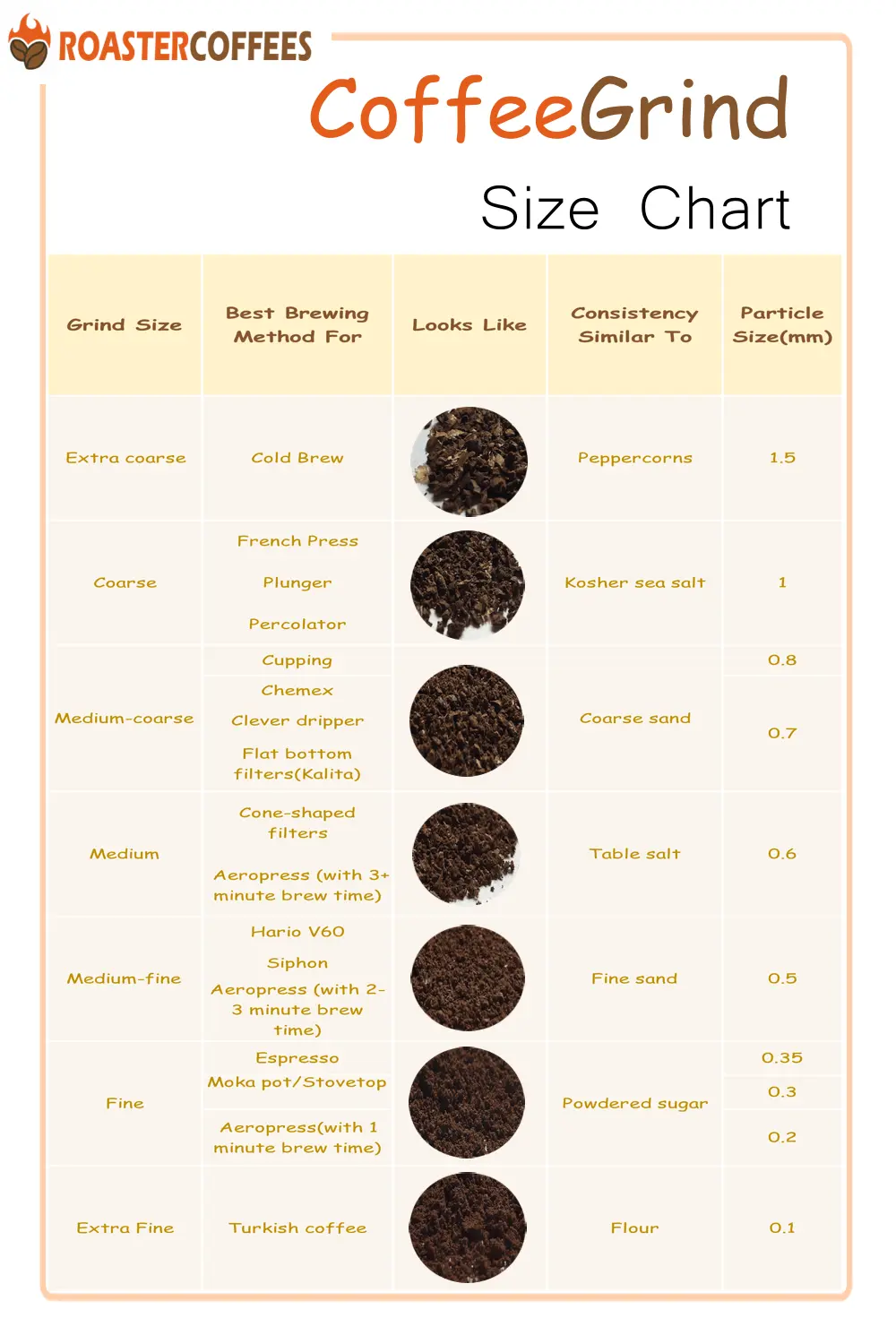
Here’s how to interpret the roasting date depending on the type of roaster or brand: a) Small Batch Roasters Characteristics: These roasters are often deeply committed to the craft, using artisanal methods to bring out the best in each batch. They are generally more transparent about their roasting practices, including the roasting date. Freshness Window: Small batch roasters may recommend consuming their beans within 2-14 days of roasting for the best experience. This window is ideal for tasting the full spectrum of flavors that the coffee has to offer. b) Larger, Commercial Roasters Characteristics: While larger roasters may also provide the roasting date, their focus is often on maintaining consistency and a longer shelf life. Coffee from larger roasters may spend more time on shelves before being sold to consumers. Freshness Window: Commercial roasters typically recommend consuming their coffee within 14-30 days of roasting. They often have larger production schedules, and their coffees are blended for consistency, which may help to mask slight loss of freshness over time. c) Supermarket Coffee Brands Characteristics: In the case of mass-market supermarket coffee, freshness is often not a priority. These coffees are often roasted in large batches, packaged in bags with long shelf lives, and distributed to retail stores where they may sit for weeks or months. Freshness Window: Supermarket coffee is typically best consumed within a few weeks to a month of purchase. However, the quality and flavor may have already degraded, especially if the beans have been exposed to air or light in retail environments. 7. The Psychological Impact of the Roasting Date on Consumers The connection between freshness and flavor is well-established, but there is also a psychological element tied to the roasting date. a) Perception of Freshness and Quality Consumers often perceive coffee with a recent roasting date as higher quality—even though quality encompasses more than just freshness. The idea that fresh coffee is superior is embedded in many coffee lovers’ minds, and many roasters intentionally advertise roasting dates to tap into this sentiment. While coffee is most aromatic and flavorful in the first 7-14 days after roasting, this does not mean that older coffee is inherently bad. It depends on the brewing method and the overall age of the coffee. b) Marketing and Transparency Roasters who prioritize freshness often use the roasting date as a form of transparency, fostering a connection with consumers. They might also recommend specific brewing techniques for different freshness windows, which adds another layer of engagement for consumers looking to get the best experience from their purchase. For the consumer, the roasting date can serve as a helpful guide for knowing how long they have to enjoy their coffee at its peak freshness, which can help reduce waste and encourage smarter purchasing decisions. The roast date of coffee and the grind size are closely connected, as both influence freshness, extraction, and flavor quality. Coffee is at its peak within the first two to three weeks after roasting, when aromatics and oils are most vibrant. Using an appropriate grind size ensures that this freshness is expressed properly in the cup. For example, freshly roasted beans release more carbon dioxide, which can affect extraction. A grind that is too fine may over-extract, especially with fresh beans still degassing, while a grind that is too coarse may lead to under-extraction and weak flavor.
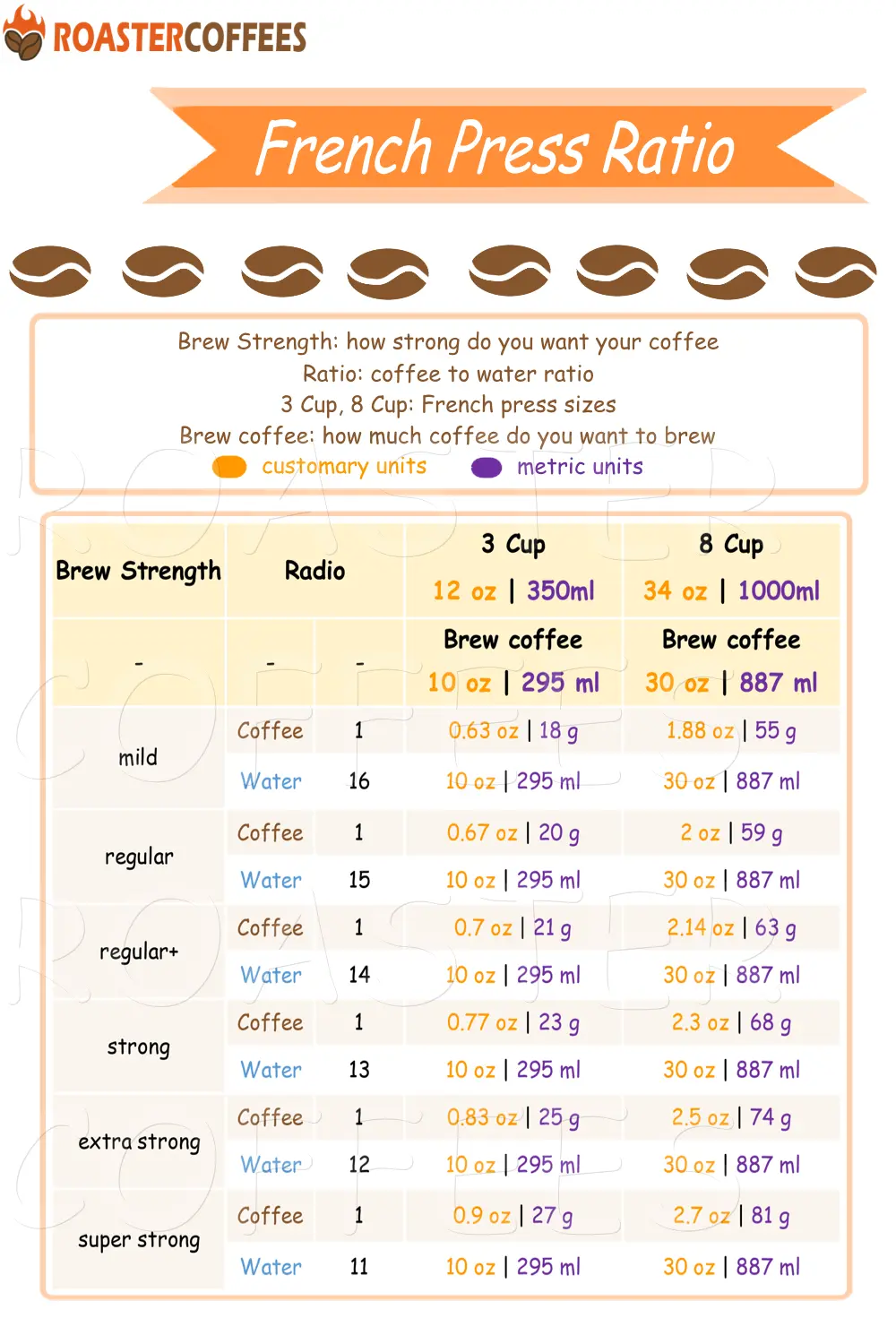
8. The Role of Roasting Date in Sustainability and Waste Reduction Freshness and sustainability can often go hand in hand. By understanding the importance of the roasting date, coffee drinkers can make better purchasing decisions that reduce waste and support sustainable practices. Here are some ways in which the roasting date intersects with sustainability: a) Supporting Local Roasters and Small-Batch Producers Supporting roasters who produce small batches of coffee and provide detailed roasting information encourages responsible sourcing and low-waste practices. These roasters typically have smaller operations, use sustainable packaging, and roast with care to minimize overproduction, leading to less coffee being thrown away due to staleness or spoilage. b) Avoiding Over-Purchasing By paying attention to the roasting date, consumers are less likely to over-purchase coffee and end up with stale bags. Understanding when the coffee was roasted allows drinkers to buy smaller amounts of coffee, ensuring that the beans are consumed while they are still fresh, and reducing the environmental impact of wasted coffee. c) Better Storage for Longer Freshness Understanding the importance of freshness encourages consumers to store their coffee properly. Using airtight containers, vacuum-sealed bags, or even refrigerating coffee can extend its freshness. This awareness can help reduce the amount of coffee that is discarded, further supporting sustainability. 9. How to Use the Roasting Date for Optimal Brewing Now that you understand the importance of the roasting date, how can you leverage it for the best brewing experience? Here are some actionable tips to use the roasting date for optimizing your brew: a) Use Fresh Coffee for Quick Brew Methods Espresso, Aeropress, and Pour-Over: For these quick-brewing methods, use beans that are within 5-14 days post-roast. This ensures that you capture the coffee’s complexity and vibrancy, without over-extracting or under-extracting flavors. b) Let Coffee Rest for Cold Brew Cold Brew: If you’re brewing cold brew coffee, you can use coffee that’s a little older (up to 2-3 weeks post-roast). The extended steeping process will still bring out pleasant flavors, even from coffee that is a bit past its peak. c) Adjust Brew Ratios for Coffee Age Fresh Coffee (within 7 days): Use a slightly lower brew ratio (less coffee to water) to avoid over-extraction, as fresh coffee tends to extract more quickly due to the higher carbon dioxide content. Older Coffee (over 14 days): Increase the brew ratio slightly (more coffee to water) to compensate for the loss of flavor complexity and to help draw out more of the remaining aromas and flavors. d) Experiment with Resting Times Some coffee lovers prefer to let coffee rest for 1-2 days after roasting before brewing it. This resting time allows some of the volatile compounds to settle, leading to a more balanced and smooth flavor profile. 10. Conclusion: Why the Roasting Date Should Matter to Every Coffee Lover In the vast world of coffee, the roasting date is one of the most useful indicators of freshness, flavor, and overall quality. As a coffee drinker, understanding this concept can enhance your appreciation for coffee and help you make smarter choices about what to brew. From the chemical processes that occur in the roasting phase to the immediate impact on aroma and flavor, the freshness of your coffee plays a vital role in the experience you’ll have. Whether you’re brewing espresso, pour-over, or cold brew, knowing how to use the roasting date to your advantage will allow you to enjoy the coffee at its peak flavor profile. By supporting roasters who emphasize freshness, storing your coffee correctly, and adjusting your brewing techniques to match the age of the beans, you can ensure a more sustainable, flavorful, and enjoyable coffee journey. So, the next time you grab a bag of beans, take a moment to check the roasting date—and remember, it’s not just a number.
|