
Danielle
Base
| Name | Danielle |
| Last Name | Higgins |
| Nickname | experienceswhiletraveling |
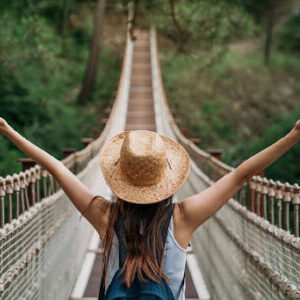
| About You | How to Find More Authentic Experiences While Traveling Image source: Stock Photos by Dreamstime Travel is often at its most memorable when it feels personal. The famous landmarks, celebrated museums, and highly rated attractions can absolutely be worth seeing, but they are only one part of a destination. Some of the moments that stay with you longest happen away from the obvious highlights. They might involve a quiet neighborhood café, a conversation with a shop owner, a meal you had never heard of before arriving, or a small local event that barely appears in any guidebook. These experiences can feel more authentic because they give you a glimpse of everyday life rather than only the version of a place designed for visitors. Of course, “authentic travel” can be a slippery idea. Locals are not attractions, and everyday life does not exist for travelers to consume. A destination can also be both popular and authentic at the same time. A centuries-old market does not suddenly become fake because tourists visit it. The goal is not to avoid everything famous. It is to travel with enough curiosity and flexibility to experience a place beyond its most heavily promoted surface. Here are some ways to make that happen. Spend More Time in Fewer Places One of the easiest ways to experience a destination more deeply is simply to slow down. When a trip involves moving to a new city every day or two, much of your time is spent checking out, packing, traveling, checking in, figuring out transportation, and orienting yourself again. You may see more places, but you often experience each one only briefly. Staying longer allows a destination to become familiar. You begin recognizing streets. You discover which café is busiest in the morning. You notice when the neighborhood market opens. You learn which bus actually goes where you thought it went. You return to a restaurant because you genuinely liked it rather than because an itinerary told you where to eat next. That familiarity creates opportunities for experiences that do not happen during a rushed visit. You have time to wander without worrying that every hour must produce a major attraction. You can revisit a neighborhood at a different time of day. You can follow recommendations you hear after arriving. Sometimes seeing less geographically allows you to experience much more. Explore Residential Neighborhoods Tourist districts are convenient for a reason. They contain major attractions, hotels, restaurants, transportation, and businesses designed to serve visitors. But they are rarely the entire personality of a city. Spending some time in residential neighborhoods can reveal a different rhythm. You may encounter bakeries filled with people buying breakfast before work, small parks used by families, neighborhood restaurants with simpler menus, independent shops, community markets, or architecture that looks nothing like the polished historic center. This does not mean wandering randomly into private spaces or treating residential communities as exhibits. Simply choose neighborhoods where visitors are welcome to walk, shop, eat, and explore public spaces. Research local commercial streets, markets, parks, waterfronts, or cultural districts outside the main tourist zone. You may find that your favorite part of a city is somewhere you originally had no reason to visit. Use Public Transportation Public transportation can be practical, inexpensive, and surprisingly revealing. Taking the subway, bus, tram, ferry, or commuter train often gives you a more realistic sense of how a city functions than traveling exclusively by taxi or private car. You see where people live, work, shop, and study. You begin to understand how neighborhoods connect. Even a simple bus ride can reveal parts of a destination you would otherwise never encounter. Public transportation also encourages a slower style of travel. Instead of moving directly from attraction A to attraction B, you may walk several blocks to a station, pass local businesses, or notice something interesting along the route. Obviously, not every destination has convenient or safe public transit for visitors, so some advance research is sensible. But where good systems exist, using them can make a place feel less abstract. You begin navigating it rather than merely being transported through it. Visit Local Markets Markets can be wonderful places to understand a destination through food, language, ingredients, and everyday routines. Farmers markets, produce markets, fish markets, flea markets, and neighborhood food halls often provide a more immediate connection to local culture than highly packaged attractions. The key is to observe how the market actually functions. Is it primarily a place where residents shop for groceries? Is it a lunchtime destination? Does it specialize in antiques, crafts, or prepared food? Markets that are genuinely part of daily life tend to be especially interesting. Try unfamiliar fruit. Buy something from a bakery. Ask politely about an ingredient. Watch what other people order. You do not need to turn the visit into a mission to find the “most authentic” stall. Simply being curious is enough. Eat Where People Actually Eat Food is one of the easiest ways to experience local culture, but travelers sometimes accidentally create a culinary bubble around themselves. Restaurants near major attractions often cater heavily to visitors. That does not automatically make them bad, but if every meal happens within two blocks of the central square, you may miss a lot. Look for places that appear integrated into everyday neighborhood life. That could mean a lunch counter, family restaurant, bakery, food stall, tavern, café, or small diner. Local food does not always mean elaborate traditional cuisine. Sometimes it is a simple sandwich, soup, pastry, noodle dish, or plate that people eat regularly. Ask hotel staff, shopkeepers, guides, or people you meet where they personally like to eat, rather than asking for “the best restaurant.” That distinction matters. “The best restaurant” often invites a polished recommendation. “Where do you go for lunch?” can produce something much more interesting. Learn Some of the Language You do not need to speak fluently to create better interactions. Learning even a few words or phrases can change the tone of an encounter. Greetings, “please,” “thank you,” “excuse me,” and simple phrases for ordering food or asking questions can demonstrate respect and curiosity. People generally understand when visitors are making an effort. You may pronounce something badly. That is fine. You are not auditioning for local television. The point is not perfection. It is participation. Language also helps you notice things you might otherwise miss. Menus become more understandable. Signs become less mysterious. Small conversations become possible. Even recognizing a handful of words can make a place feel more accessible. Talk to People Without Turning Every Conversation Into Research Some of the best travel recommendations come from people you meet along the way. A bartender might mention a neighborhood festival. A bookstore employee may recommend a nearby gallery. A guide might tell you about a park tourists rarely visit. These suggestions can lead to wonderful experiences. But conversations should still feel like conversations. You do not need to interrogate everyone you meet for insider tips. Ask natural questions. Where do you like to eat? Is there somewhere nearby worth walking around? What do people usually do here on weekends? What is something visitors misunderstand about this place? Then listen. You may receive useful recommendations, or you may simply have an interesting conversation. Both outcomes are worthwhile. Take Walking Tours Early in the Trip A good walking tour can provide context that makes the rest of your visit more meaningful. Instead of merely seeing buildings, you learn why they matter. Instead of wandering through neighborhoods without context, you begin to understand how the city developed. The best guides often provide information that goes beyond dates and monuments. They may discuss food, transportation, politics, architecture, social habits, or neighborhood changes. Taking a tour early gives you ideas for the rest of the trip. You might hear about a market, café, museum, park, or district that was not part of your original plans. Walking tours can therefore serve as introductions rather than just activities. Look for Small Museums and Cultural Institutions Major museums can be extraordinary, but smaller institutions often tell more specific stories. A local history museum, neighborhood archive, artist foundation, historic house, photography gallery, or cultural center may offer a much more focused view of the destination. These places are sometimes less crowded, which also gives you more time to absorb what you are seeing. Staff members may have time to answer questions or recommend other places nearby. Small museums can also reveal aspects of local history that larger institutions overlook. You may learn about a particular industry, immigrant community, artistic movement, political event, or local tradition that changes how you understand the city around you. Attend Local Events Events can provide a natural way to experience how people actually use public space. Depending on when you visit, this might include a street festival, neighborhood fair, concert, farmers market, sporting event, art opening, religious celebration, outdoor film screening, or community parade. Research the local calendar before the trip, but also look around after you arrive. Posters, community bulletin boards, social media pages, local newspapers, and venue calendars may reveal smaller events that never appear in major travel guides. Attending something local can immediately change the feel of a trip. You are no longer simply looking at the city. You are participating in something happening there. Shop at Independent Businesses Shopping can be another useful way to explore local culture. Instead of relying entirely on international chains or souvenir stores near major attractions, look for independent bookstores, markets, craft shops, record stores, clothing stores, bakeries, or specialty businesses. These places often reflect local tastes and traditions more clearly. They can also produce better souvenirs. An object made locally or purchased from a small business may carry a stronger memory than something mass-produced with the city’s name printed on it. Shopping slowly can also spark conversations. Ask where something was made. Ask about a local product. You may learn something about the area through an interaction that began with a simple purchase. Don’t Treat “Hidden Gems” Like Trophies Travel culture has become somewhat obsessed with finding hidden gems. The phrase suggests that somewhere behind every famous attraction is a secret café, beach, alleyway, or restaurant known only to locals and sufficiently determined travelers. Sometimes places like that exist. But hunting for them too aggressively can create another version of checklist travel. You can spend hours researching supposedly undiscovered places only to arrive and find thirty other people who read the same article. Authentic experiences do not have to be secret. A popular neighborhood bakery can still be meaningful. A famous public park can still be deeply connected to local life. A traditional festival can welcome thousands of visitors and still be culturally important. The goal is not exclusivity. It is connection. Leave Time for Wandering Overplanning is one of the biggest obstacles to unexpected discovery. If every hour is scheduled, there is no room to follow curiosity. Give yourself time to walk without a destination. Choose a neighborhood and explore it. Turn down a street because it looks interesting. Sit in a park. Stop for coffee. Browse a bookstore. Look inside a church or gallery that happens to be open. Wandering allows the destination to influence your plans instead of requiring your plans to control the destination. You may accomplish very little in conventional sightseeing terms. That can be precisely the point. Visit During Different Times of Day Places change dramatically from morning to evening. A plaza filled with tourists at midday might be quiet early in the morning when residents are walking dogs or heading to work. A sleepy neighborhood in the afternoon might become lively after dinner. Markets can feel completely different at opening time compared with closing time. If you enjoy a particular area, consider returning later. This gives you a more complete sense of its rhythm. Travelers often move through destinations according to attraction hours. Locals experience them across the entire day. Seeing those changes can make a place feel more alive. Spend Time in Everyday Public Spaces Some of the most revealing places in a city are not attractions at all. Parks, plazas, promenades, waterfronts, libraries, university areas, and public gardens are places where people simply exist. Sit for a while. Watch what people are doing. Are families gathering? Are people exercising? Playing chess? Walking dogs? Meeting friends? Eating lunch? These ordinary activities reveal something about how a place functions socially. You are not necessarily “doing” anything. But observing everyday life can provide a richer impression than rushing through another attraction simply because it appears on a top-ten list. Read Local Media Local newspapers, magazines, blogs, radio stations, and event listings can provide a completely different perspective from travel websites. Travel guides tell you what visitors should see. Local media tells you what people living there are currently talking about. That might include new restaurants, exhibitions, community issues, festivals, music, theater, architecture, or neighborhood changes. You do not need to become deeply involved in local politics during a three-day trip. Simply understanding a little about what is happening can help the destination feel less like a backdrop. Stay Somewhere That Encourages Exploration Where you stay influences how you experience a place. A large hotel next to major attractions may be convenient. A smaller guesthouse or apartment in a residential neighborhood may provide a different kind of access. Neither is automatically more authentic. The important question is whether your location encourages you to explore the type of environment you are interested in. If you want neighborhood cafés and local restaurants, staying near them makes those experiences easier. If you want nightlife, stay somewhere where walking home is practical. If your priority is historic architecture, choose a district where you can step outside and explore it. Location shapes everyday behavior. Avoid Performing Authenticity There is an uncomfortable side to the idea of authentic travel. Sometimes travelers become so determined to avoid appearing touristy that they begin performing a kind of anti-tourism. They refuse to visit famous sites. They mock popular restaurants. They brag about being the only visitor somewhere. But you are a visitor. That is completely fine. You can visit the major cathedral, take the famous photograph, buy the silly souvenir, and still have meaningful experiences. Travel does not become deeper simply because fewer people are standing nearby. Authenticity comes from curiosity, respect, attention, and openness. It is not a competition. Be Respectful When Photographing People and Places Photography can help you remember a destination, but it can also change the way you interact with it. If every experience immediately becomes an opportunity for a photograph, you may spend more time documenting than observing. Be especially thoughtful when photographing people. Ask permission when appropriate. Respect restrictions at religious sites, ceremonies, markets, or private spaces. Do not treat residents as background decoration for travel photographs. Sometimes the best way to experience something is to leave the camera down for a few minutes. Memory does not always require proof. Let Your Plans Change Perhaps the most important part of finding authentic travel experiences is being willing to abandon your original itinerary occasionally. Someone recommends a village you had never heard of. You discover a market that only happens on Saturdays. A local festival closes the street outside your hotel. You find a neighborhood you love and decide to stay there for the afternoon instead of visiting another museum. Follow those opportunities when they feel right. Travel plans are predictions about what your future self will enjoy. Your future self is allowed to disagree. Authentic Travel Is Really About Paying Attention Finding authentic experiences does not require discovering secret places or avoiding famous ones. It requires paying closer attention. Spend enough time somewhere to notice its rhythms. Eat food because people genuinely enjoy it, not only because it photographs well. Walk through neighborhoods. Use public transportation. Learn a few words. Ask questions. Attend local events. Sit somewhere without an agenda. Leave room for curiosity. Some of the most memorable travel moments are surprisingly ordinary. A morning coffee. A conversation in a shop. Music drifting out of an open doorway. A family gathering in a park. A meal you ordered without entirely understanding the menu. A street that suddenly looks beautiful in the evening light. None of those experiences may appear on a travel checklist. That is precisely why they matter. The most rewarding trips often happen when you stop trying to collect destinations and start experiencing them. See the famous things you genuinely want to see. But also give yourself time to notice everything happening around them. That is often where a place begins to feel real. |
