
Springs: The Lifeblood of Communities Across the World

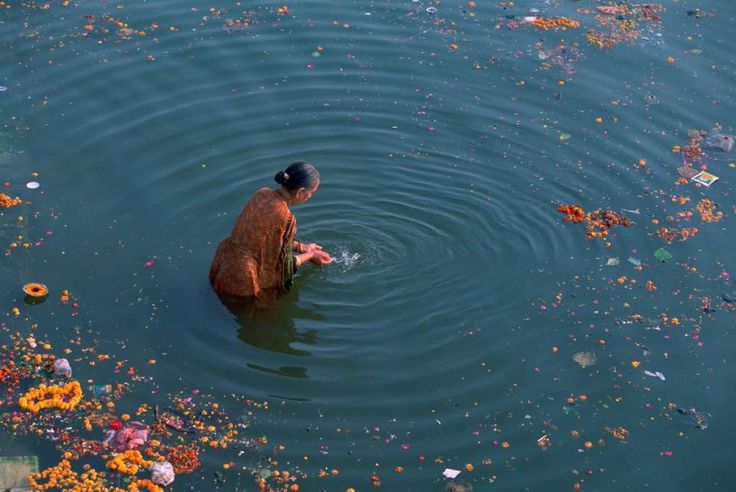
Water is life. At Find A Spring we’ve seen it time and time again: where springs flow, communities thrive. Springs are not just scenic spots or tourist attractions – they are living sources that sustain people, culture, and the land itself.
Mexico: A Country Shaped by Springs
In Mexico, spring water has been central to human survival for thousands of years.
Long before modern infrastructure, indigenous peoples relied on natural springs for drinking water, agriculture, and ceremonial purposes. For example, the Zapotecs of Oaxaca engineered terraced fields irrigated by mineral-rich springs like Hierve el Agua, ensuring crops could grow even in arid terrain. Today, communities in Veracruz, such as Zoncuantla, still depend on springs like Manantial Ojo de Agua to supply water for homes, livestock, and farms. These springs aren’t just a convenience – they are essential infrastructure, sustaining local economies, food security, and health.
Springs also carry cultural significance.
Many indigenous communities see them as sacred spaces, embodying life, renewal, and spiritual connection. Protecting these waters means preserving both natural ecosystems and centuries of cultural heritage.
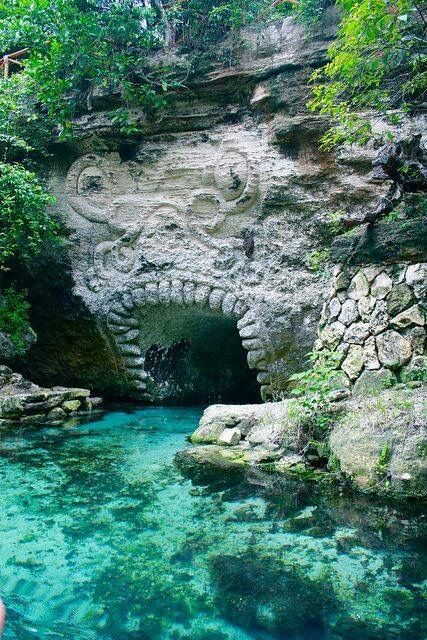
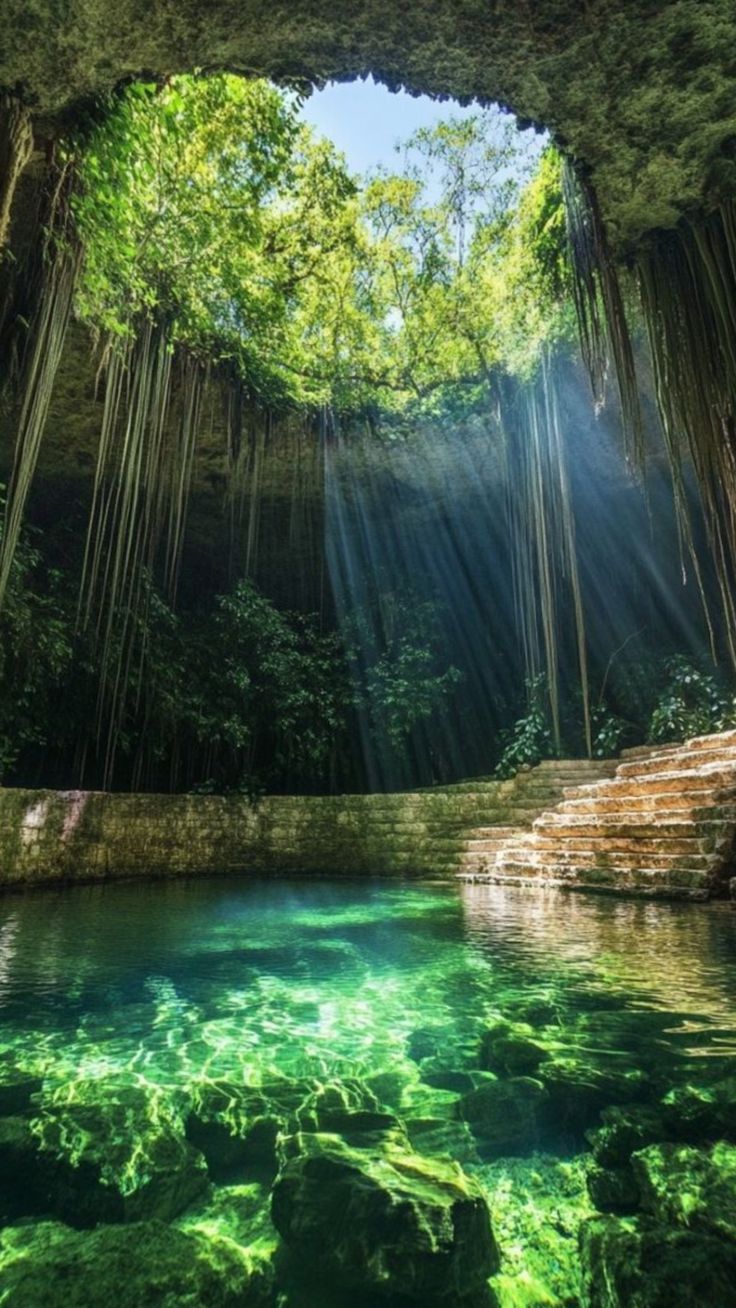
Cenotes: Nature’s Hidden Springs
In Mexico, the Yucatán Peninsula is dotted with cenotes – natural sinkholes that reveal the underground rivers and aquifers flowing beneath the limestone landscape. These cenotes are essentially living springs, providing freshwater in a region where rivers are scarce.
For centuries, the Maya relied on cenotes for drinking water, irrigation, and ceremonial purposes, making them central to both survival and culture. Today, cenotes continue to sustain communities and ecosystems, offering crystal-clear water for local use and recreation. They are a vivid reminder that springs, in all their forms, are not just sources of water – they are lifelines connecting people, culture, and the natural world.
Beyond Mexico: Springs in Native and Indigenous Communities
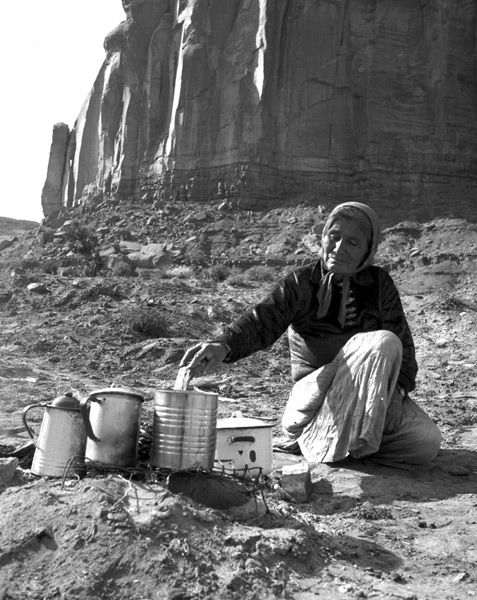
The story of springs is not unique to Mexico. Across the globe, indigenous communities have long relied on spring water:
- The Navajo Nation (U.S.): Springs in arid regions provide essential water for livestock and human use. Many of these springs are sacred sites, integral to ceremonies and traditional teachings about the land.
- Andean Communities (Peru and Bolivia): High-altitude springs supply clean water for villages and are used in terrace agriculture, sustaining crops like potatoes and quinoa that have fed generations.
- Maori Communities (New Zealand): Natural springs, or wai, are culturally protected and serve as vital sources of freshwater. They are recognized as living ancestors in Maori cosmology, linking environmental stewardship with cultural identity.
- Indigenous Australians: Springs in arid regions, like mound springs in the Great Artesian Basin, have been lifelines for Aboriginal communities for millennia, supporting food sources, ceremonial practices, and wildlife habitats.
In each case, the presence of a spring can determine whether a community survives or struggles, especially in areas where rainfall is unpredictable or water infrastructure is limited.
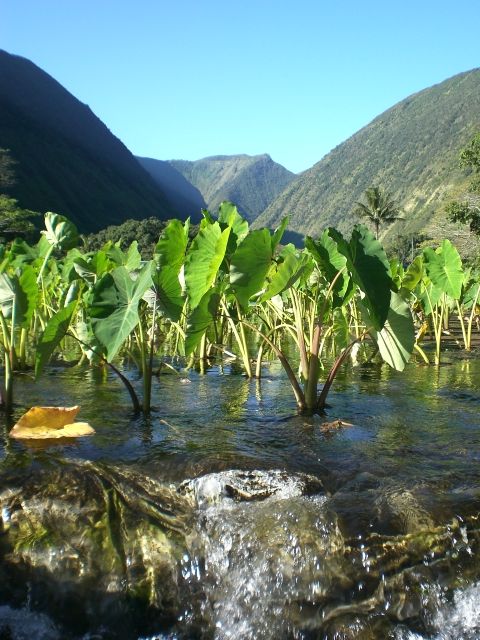
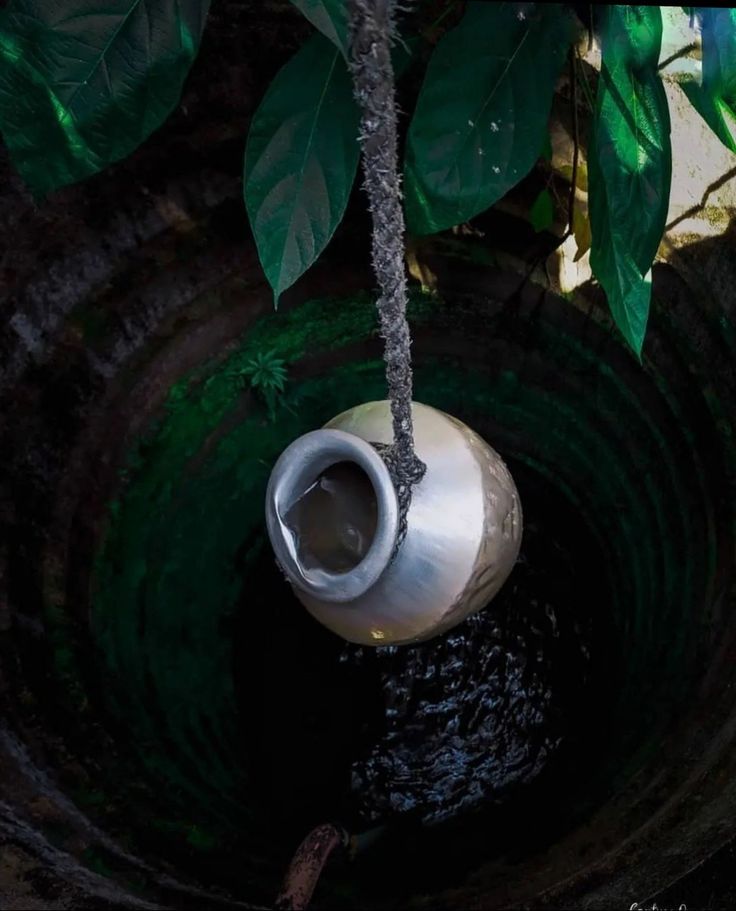
Why Protecting Springs Matters
Springs are fragile. Pollution, overuse, and climate change threaten these vital sources. When a spring is lost, a community loses not just water, but the rhythms of life, agriculture, and culture that depend on it. At FindASpring.org, we’re on a mission to map, protect, and celebrate springs around the world, ensuring that they continue to sustain life for generations to come.
Water is Life, Springs are Its Keepers
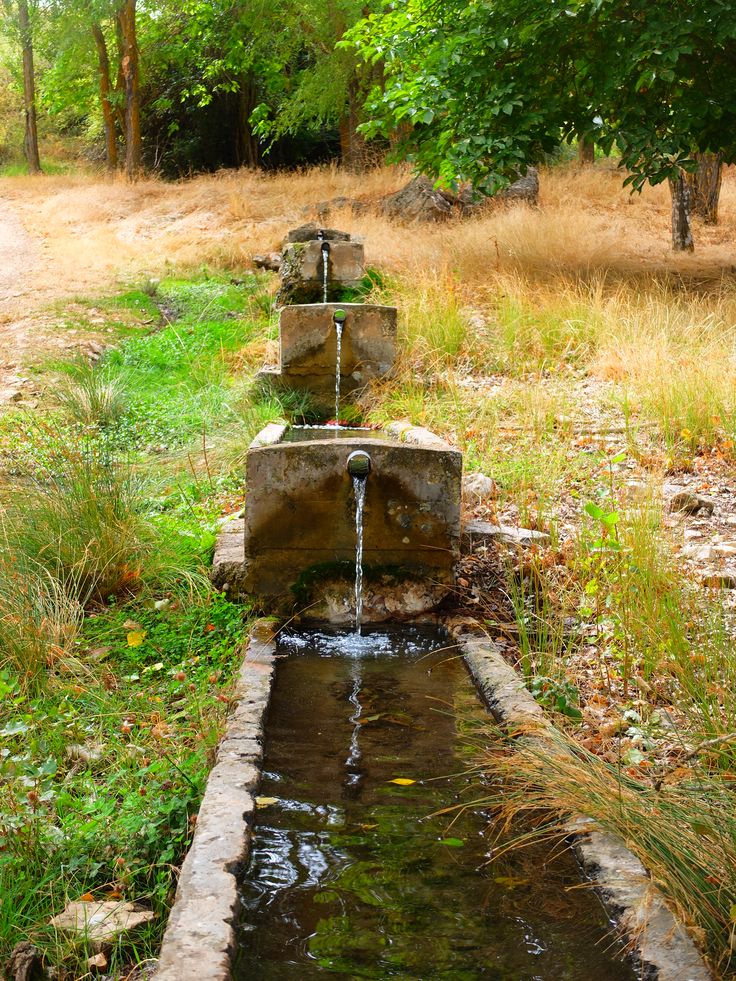
Whether in Mexico, Peru, the United States, or New Zealand, springs are living connections between people and the land. They remind us that water is not just a resource – it is the heartbeat of community, culture, and survival. Protecting these waters protects life itself.
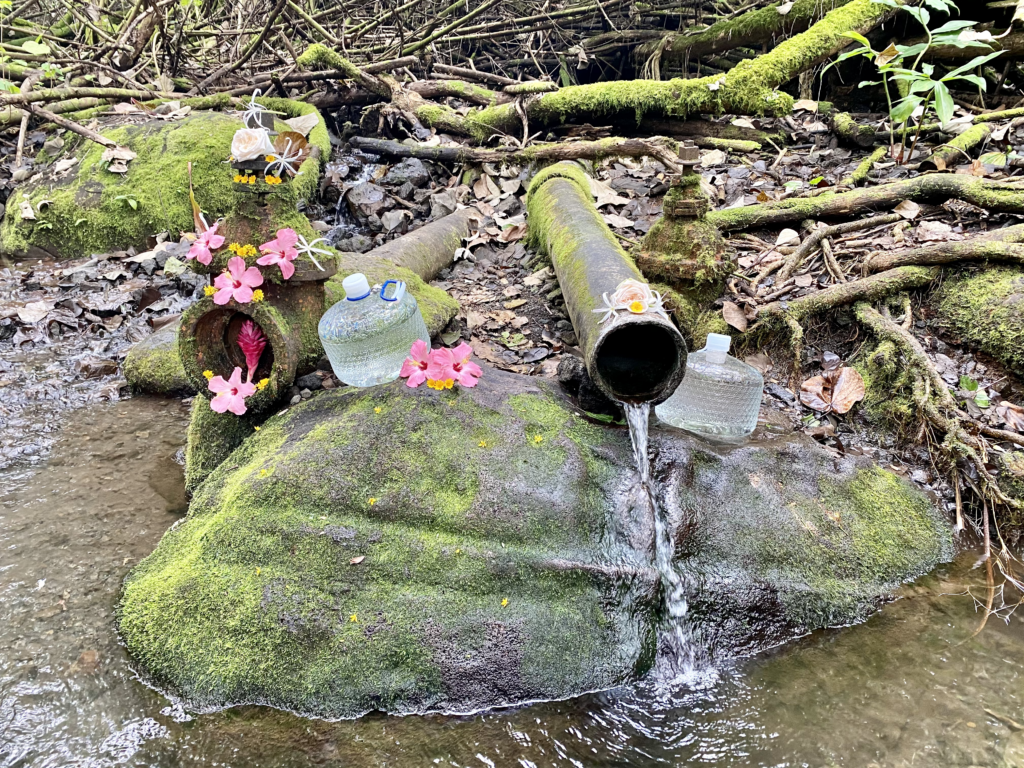


It’s amazing to see how much springs shape both life and culture. Protecting them really seems essential.✨
I agree! I love these topics. Protection is THE most essential <3
good read.
goog