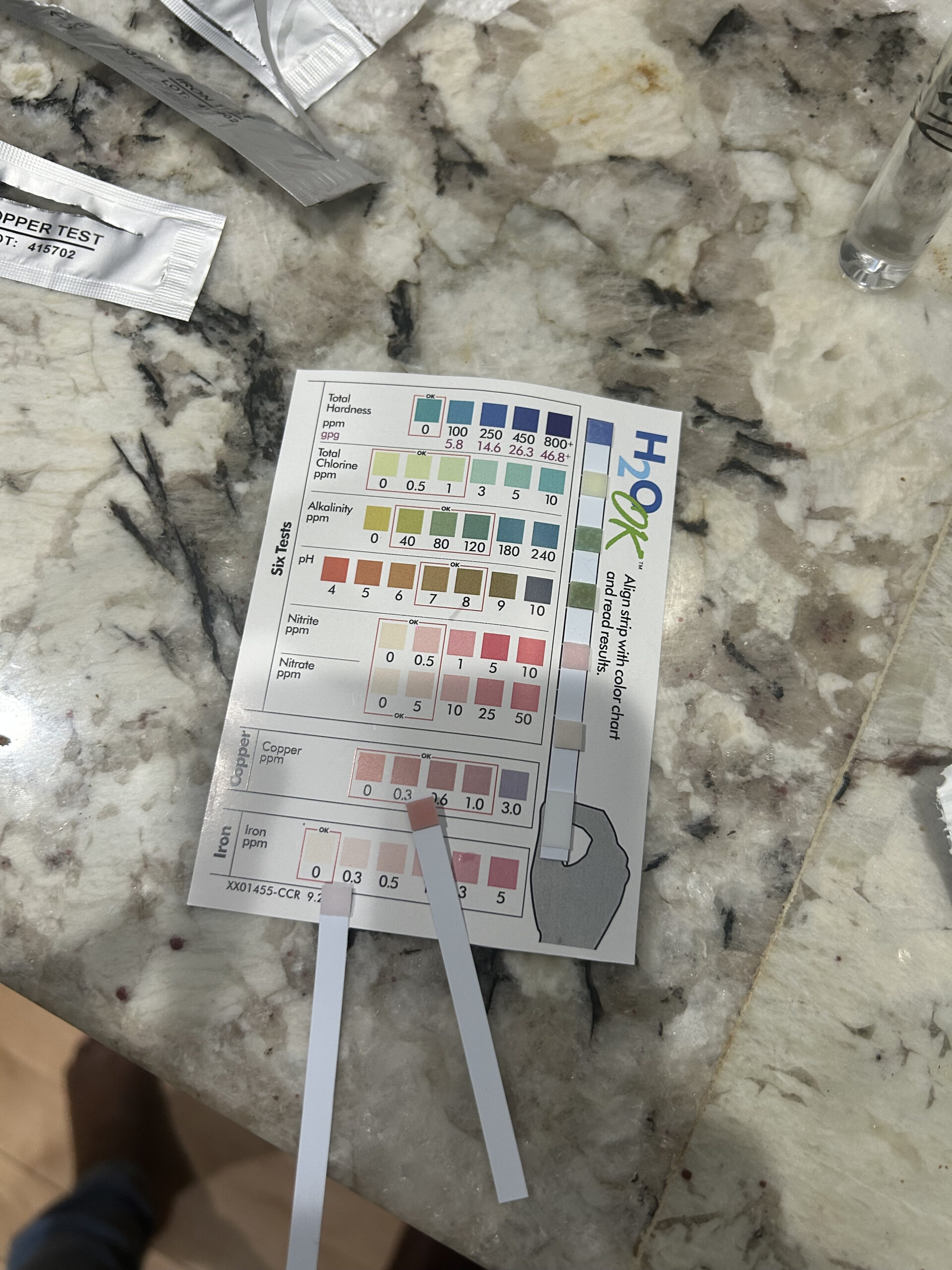
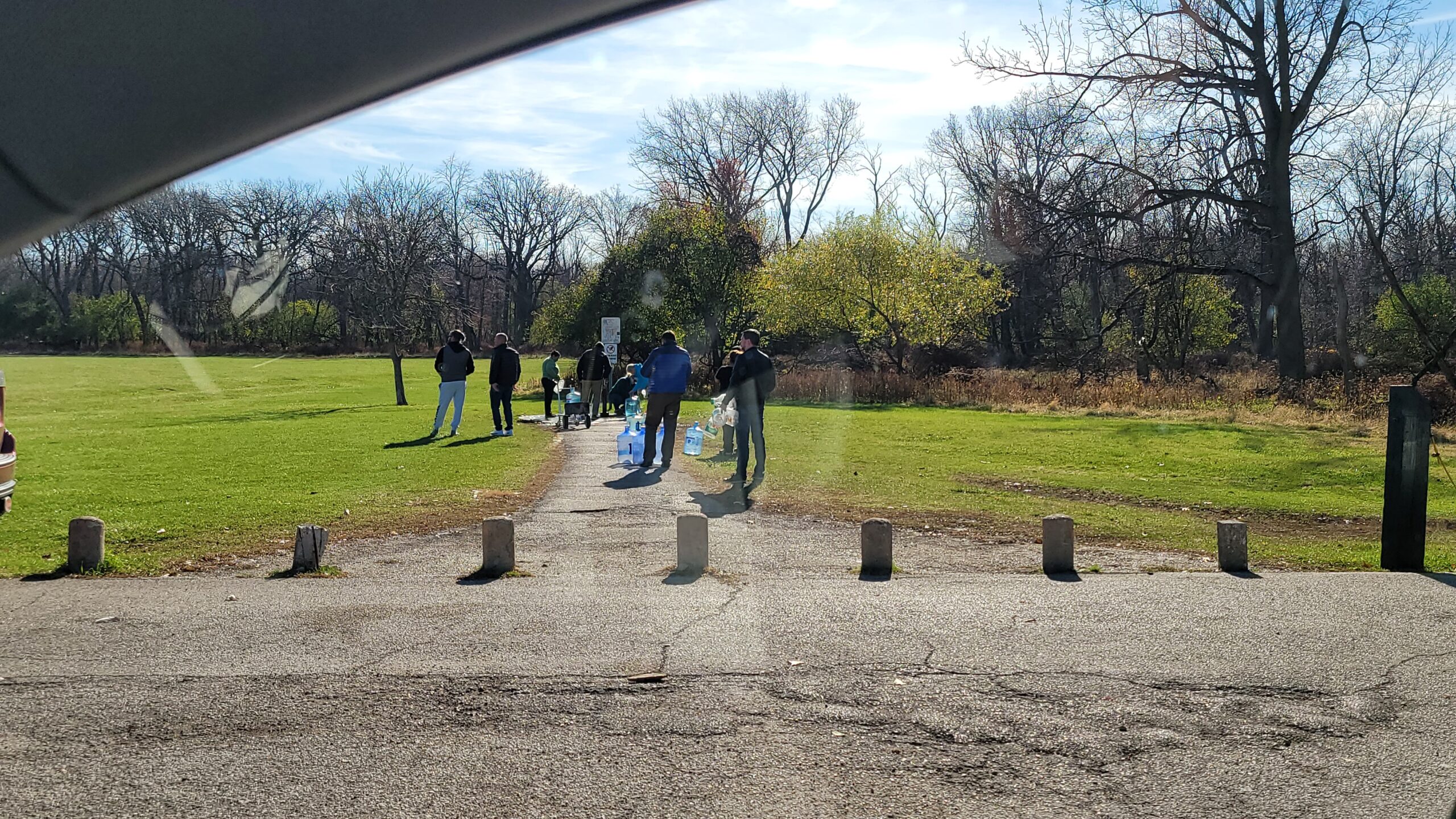
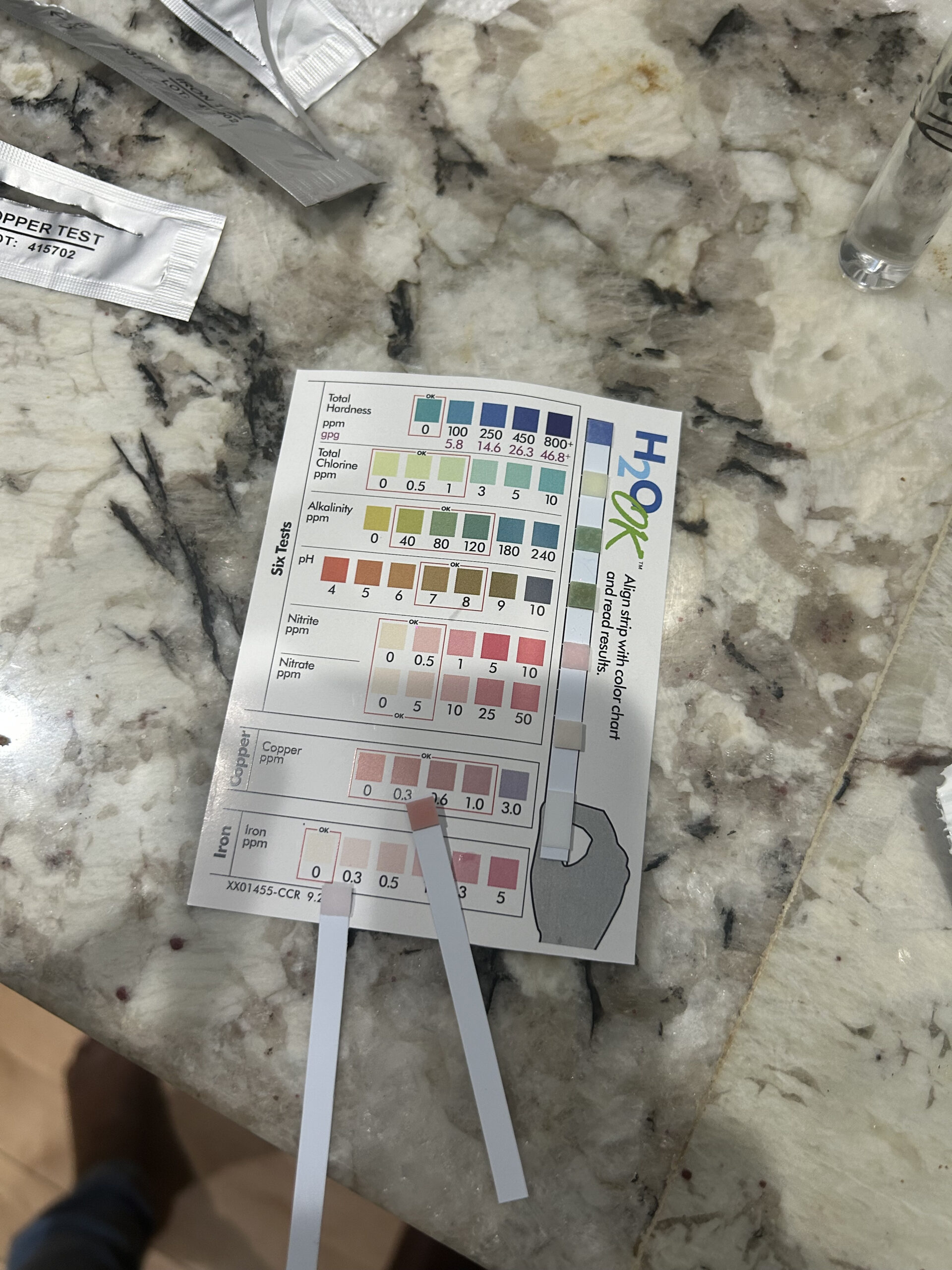
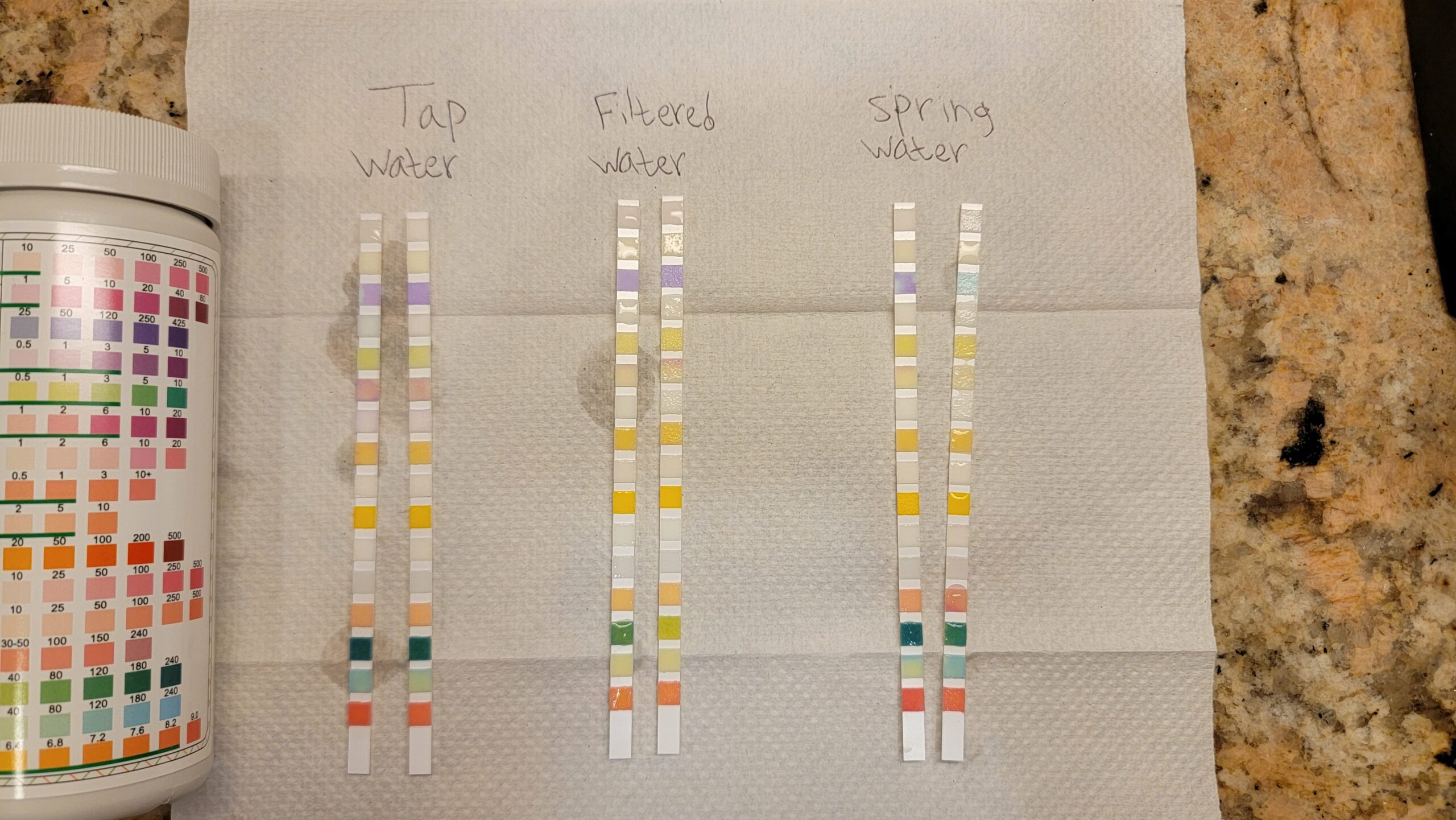
“This spring is hand pumped out, people have been collecting water for years. It gets busy on the weekends (LINES) so come during the week. I tested the water with home test kit. Lead -negative pesticide- negative Nitrate/nitrite no trace total hardness pretty high, as all water in IL is 120-250 Bacteria- the test turned purple means none detected Chlorine- none water very cold and keeps cold.” – Paul
Nearest Address
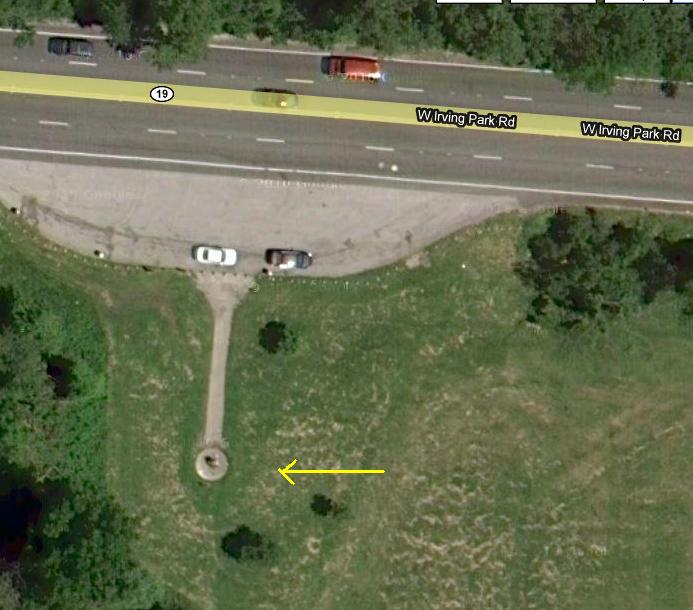
Cumberland and Irving Park intersection
Directions from Nearest Address
On south side of Irving park road (IL 19) west of Cumberland (IL 171) very easy to get to, in and out.
Hello
Today is January 24, 2014. I went to get some water from the well today with no luck. There was no water coming out of the pump. I guess the water froze because the cold temperatures we have had. Has this happened before? Do you know what would be the temperature to get water again?
Hey, i am planning on going to this well today or tomorrow to get some water. Can anyone confirm that it is operational. Today’s date Thursday August 29, 2013
Talk with people at the pump, hear their stories, then do your research & you will find out its called the silurian-devonian aquifer. It is essentially sourced under/around lake superior. All the wells for it in Illinois are deep beneath the bedrock. There were & would still be springs if the area wasn’t so developed. You can still find real springs, yes springs plural, around the Waterfall Glen spring where most of the springs are located on a dragonfly preserve, different aquifer though.
If you get a chance, listen to Daniel Vitalis talk about Artesian wells. He equates them similar to unripe fruit as you are pulling the water out of the ground a bit early opposed to it flowing out naturally. That is why the TDS & mineral content can be a little high. Thanx again D.V.!
This is an Artesian Well. Not a spring. People have been coming to this well
since I was a child and I am in my mid-50’s. The Italians in the neighborhood would come here to get water to make wine. I know folks who, for the most part won’t drink anything but this water and will come to the well at least once a week and stockpile the water.
And, I hate to be “nit-picky” but Nathan, if you are going to correct people, whether on content, accuracy or semantics, it is imperative that you are 100% correct in your entire post. You used the word “infers” ; ” spring water infers [sic] that it originated from a spring”
1) I believe you meant to say “Spring water IMPLIES”. In my explanation, I IMPLIED you were incorrect. From my explanation, you INFERRED that you were incorrect. Please, do look it up. Additionally, spring water need not flow down a mountain collecting all sorts of contaminants along it’s way. In actuality, a spring is underground, much like a well. Often, when one things of a spring, it is similar to a “babbling brook”. Generally, a spring is often times, free flowing, while a well is generally pumped.
There are dozens of other errors in your post, but it is not my intent to “grade your work” only to suggest that you may want to make sure YOU are 100% correct is anything you write when pointing out that someone else is wrong.
well the only difference is that spring water flows continually without the use of a pump right? but still has the same beneficial properties I would assume since it has not been exposed to the environment
On principle alone I must respond to this, spring water infers that it originated from a spring—i.e. Mountains flowing downward, filtered through sediments and other naturally occuring processes which add algaes, flora, and other various balanced systems of life. Well water, well comes from within the Earth, tracing its source back to above ground bringing with it all the wonderful pesticides inherent in our capitalistic pesticide and chemical based society. I have personally gotten sick after drinking well water(E.R. multiple times, liver damage, had to go Veggie/Vegan for 3 months..), most proportedly from the toxins from Bacillus thuringiensis modified corn,
which soak through the ground from chaff and leftovers of the corn product left in the fields to help with soil erosion used to prevent infestations of insects. Please research properly where you are getting your water from, considering that the last “spring” I checked out on here was beneath an active cemetery which has people who died from cholera there and the water has been deemed unsafe decades ago and has ever since and will be dangerous into perpetuity. Just saying there are worse things than chlorine and fluoride in so called “spring” sources, this used of the word is a misnomer. Its ok, Ice Mountain isn’t Spring based either, its actually just lake Michigan water handed out to the midwest region, is it actually safer—well it got a D rating, considering the best bottled water gets a B and most get a F who knows…
All this talk of fluoride, I thought I’d provide a good read. This pump is 3 miles from my home and I’ve driven by it a hundred times. After reading this forum, I will be gettin g my water from this source from now on…cheers
Spoke to maintenance at Indian Boundary (Cook County) today. The pumps are only shut down if handle is gone due to contamination or dried up. This pump has a tag for testing so it should be up within a week!
Has anyone done any tests on this water as of late? It is currently 12/16/2011, and the website isnt showing the dates of anyones posts on my screen for some reason. I live about an hour away from this particular well, and I read some people saying it has been tasting odd as of late, and wanted to verify if that is still the case or not.
I went tonight to get some water and the pump handle was taking off and red tagged for treatment????? I guess there’s a problem with the water or some corporation is buying it. You know its the the blue gold… Oh well I guess no more pumping for us at this site for while…. SO MUCH FOR FREEDOM
The water is already tested by the state for bacterial contamination. There is absolutely no bacterial contamination of this well. Hundreds of people drink the water, and have been for decades. I called the County a couple weeks ago and they informed me that it is tested for nitrates and bacteria.
It would be reassuring to know the chemical concentrations in the water – airport and Industrial runoff, golf course and lawn chemicals, etc. It’s great having a fluoride and chlorine-free water source, and it would be good to know how the water compares to city water for the same chemicals city water is tested for.
On the other hand, plain common sense makes it hard to imagine it could be worse for toxic chemicals than surface water is.
Question for you guys: I live in the Western ‘Burbs. Schiller Park is not too far from my house! But what about other Cook County forest preserve pumps? Is well water automatically spring water?
I’ve seen many other manual pumps along the line of the Forest Preserve but never any folks actually using them. As a matter of fact I check out some of them myself and it seemed as if they were sparsely used.
One explanation could be that they are not easily accessible, so folks do not frequent them. Another explanation is that they are not as good as the one listed here. There’s no evidence to prove any of that. Until all of them are tested officially we can’t say which one should be used.
It’s a misnomer calling this a spring. Both spring and well water originate underground. The difference is that springs emerge from the ground naturally, while wells require a pump to bring the water to the surface. So this is actually well water, just like the water coming from other Forest Preserve pumps. As Primal says, unless the water is tested it’s hard to say much about its quality or how it compares to water from other Forest preserve pumps.
I went to get this water last night, and the handle for the pump had been removed! So I couldn’t get water. Does anyone know what happened? Or who to call to get it fixed?
I went yesterday, too, and saw that it was broken. Do you know if this is in a state park? I thought about calling the Chicago park district, but I don’t think they maintain this park.
New to the area and have been getting water from this location and loving it. We noticed a similar pump just south of Devon at intersection with River Rd(slightly closer to home). Is anyone familiar with this source?
There are many similar pumps anywhere, but I guess, the water is not potable in all of them. I think the water should be tested first and meet all the requirements to be registered as drinkable. I would not try any water is not registered. Event it is registered, you have the responsibility to test it to give it to your family.
I collected water from this location on 03 March 2011. My PH papers read 7.0-7.2, and my TDS meter read 490-500. The nearest spring to this location is about an hour away in Kenosha, and the TDS there is better.. 350.
Ok here is my take on it. I have consumed two gallons of this so far, there is a slight hard water iron, eggy (sulphury) taste to it. But the key word is “slight”. I spent my summer youth on a farm in northern, WI and our water tasted the just like this. It tastes much better than Chicago Tap. I spoke with someone I met there yesterday and he told me there are other hand pumps across the road that you can drive up to when this one was too crowded. Just have to enter the park. I found one of them right away. Plenty of parking on other side also.
I think this water tastes really good. If you crave water from the spring then it is usually of good quality. Water that is hard is not necessarily a bad thing.
I tested the water with a test kit I bought. The water is excellent. It meets all the purity required for a drinking water but one: it is too hard. The # of hardiness should be 50 ppm. This water is 425ppm
me and my family have been taking water from there on regular basis and we love it. it doesn’t taste eggy or weird …well i guess if you’re use to drinking bottled water then the good stuff will taste “odd”-lol
Drinking pure spring water is one of the most important things we can do for our health. Our bodies are over 99% water at the molecular level, so water affects every aspect of our biology. Yet, not all water is created equal. Almost all the bottled spring water available is pasteurized for shelf stability, which neutralizes many of the powerful health benefits such as increased hydrogen, healthy probiotics, and crystalline structure. For more about why unprocessed spring water is the best water to drink, read this.
The best way to guarantee you are getting real unprocessed spring water is to collect it yourself. This is a short and simple guide filled with information about how to gather spring water. We will cover how to find a spring, how to collect the water, how to honor the spring, how to store the water properly and other tips.
FindASpring.org is the best resource for locating a spring near you. However, not all springs are on the map. First, check the map to see if there is a spring in your local area. If there is, look at the reviews and comments. Has anyone shared helpful information about flow rate or posted a water test result? Is the spring in a pristine area? Do a bit of research and make sure the spring is safe to drink from. If you have any doubt about the purity, don’t risk it and get a water test, HERE. If you don’t see a spring on the map in your area, there still might be some that aren’t listed yet. First, ask the older generation who have lived in your area a long time if they know. You can also ask people in your community who might already get spring water such as people at a health food store or at a farmers market. Another great option is to view A US forest service map, where many springs have been marked. You can view these maps through the Gaia GPS or All Trails hiking apps on your phone. The map overlay you want is USGS Topo. Not all are easily accessible or ideal for drinking, but some are and it can be a fun adventure to find them. We have found over half a dozen great springs this way.
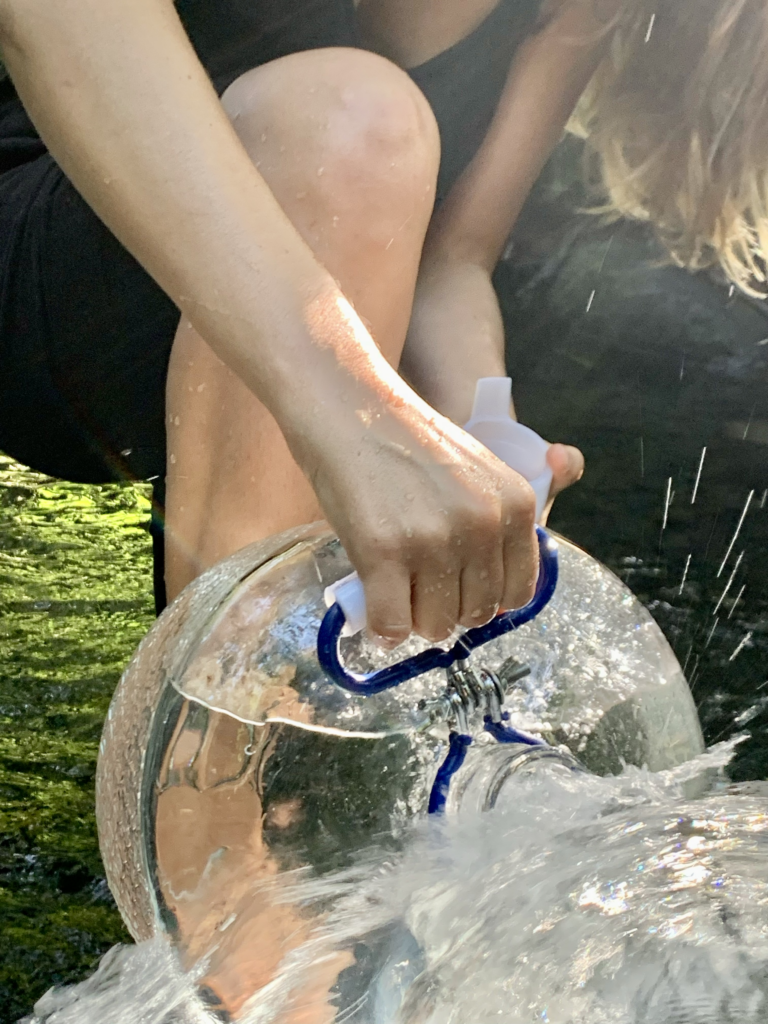
Once you’ve found your spring, figure out how you are going to gather the water. Is it right on the side of the road and easy to access or do you have to hike to it? We recommend storing spring water in glass instead of plastic to preserve the purity of the water. It is better for the environment, your body, and the water. Even BPA free plastic has toxic chemicals that can leach into water and cause health issues. If you do want to use plastic for safety reasons when filling at the spring, we recommend transferring the water to glass as soon as possible. FindASpring is sponsored by Alive Waters, which offers beautiful reusable glass. They have a 2.5 gallon option, which is a convenient size for carrying that isn’t too heavy. They also sell handles that you can use to transport the jugs even more easily. If you have to hike to access the spring, we recommend putting the water jugs into an extra large backpack to hike the water out with ease. We use Osprey packs that hold 2 jugs each. You can also use a wheelbarrow or even a stroller depending on how easy a walk it is.
Filling 2.5 Gallon Alive Waters Jug
When you get to the spring, remember to first give back before you take. Springs are considered sacred in indigenous cultures around the world for their life giving water and also as a connection to the inner earth. A powerful and simple way to give back is to clean up. Is there any trash that needs to be collected? Could you move any dead leaves or sticks to improve the flow rate? Show up in service. Some other wonderful ways to give is with a moment of expressing verbal gratitude, singing songs to the water, offering the water an ethically sourced crystal, a feather, or some other physical gift. Flowers are a popular and beautiful thing to offer, but please be careful to source organic ones as most flowers from the store are sprayed with pesticides and can be toxic to put near a spring. Also, flowers can attract bugs as they decay, so it can be best to offer them to the flowing water directly or a little downstream from the spring head.
When gathering the water, fill the jug as close to the spring head as possible, never gather downstream. Be very careful as wet glass is extremely slippery. Make sure the lid is securely fastened. When transporting the spring water home, the jugs can sometimes slide around the car. Secure them in place or wrap them with towels or something so they don’t crash into each other.
How you store your spring water is essential. It is not pasteurized like spring water from the store, so it will start growing algae if left in direct sunlight. This is good because it means it’s alive! If the water you drink can’t even support the most basic life forms, how do you think it will support your body? Store your water in a cool, dark place such as a dark corner, pantry or closet. The fridge is ideal if you have room. Some people prefer to filter their water through a Berkey filter before drinking, but if the spring is pure, it’s not necessary. We drink our spring water completely unfiltered.
How long the water stays good for depends on how cold a temperature it’s stored at. Spring water is best fresh. We personally do not prefer to drink spring water past 2 weeks old. However, we know other people that will drink it at a month old. It’s great to get in a rhythm where you know how long the water lasts you and put your collection day on the calendar in advance.
I believe that water is calling us to reconnect with her in the deepest way, to gather our own water. Just like our ancestors did. Our ancestors didn’t have fancy water machines. They also didn’t create villages or settle where there was no water. Water was revered as the center of the community and the nodal point around which life could spiral out and take root.
Here’s to restoring the sacred connection with the waters of life.
Written by Dakota Chanel. Water Priestess and Ceremonialist. DakotaChanel.com
Do you have info you'd like to add to the main spring description or perhaps a more accurate gps coordinate?
Please start by making a comment on this spring's page with any additional info, or something that you feel should be changed to reflect more accurate data. After your comment is liked by enough community members, this will validate the improved information.
Please notify us if an update with enough likes hasn't been updated in the description yet.
Please note:
This action will also remove this member from your connections and send a report to the site admin.
Please allow a few minutes for this process to complete.

 Tamar
Tamar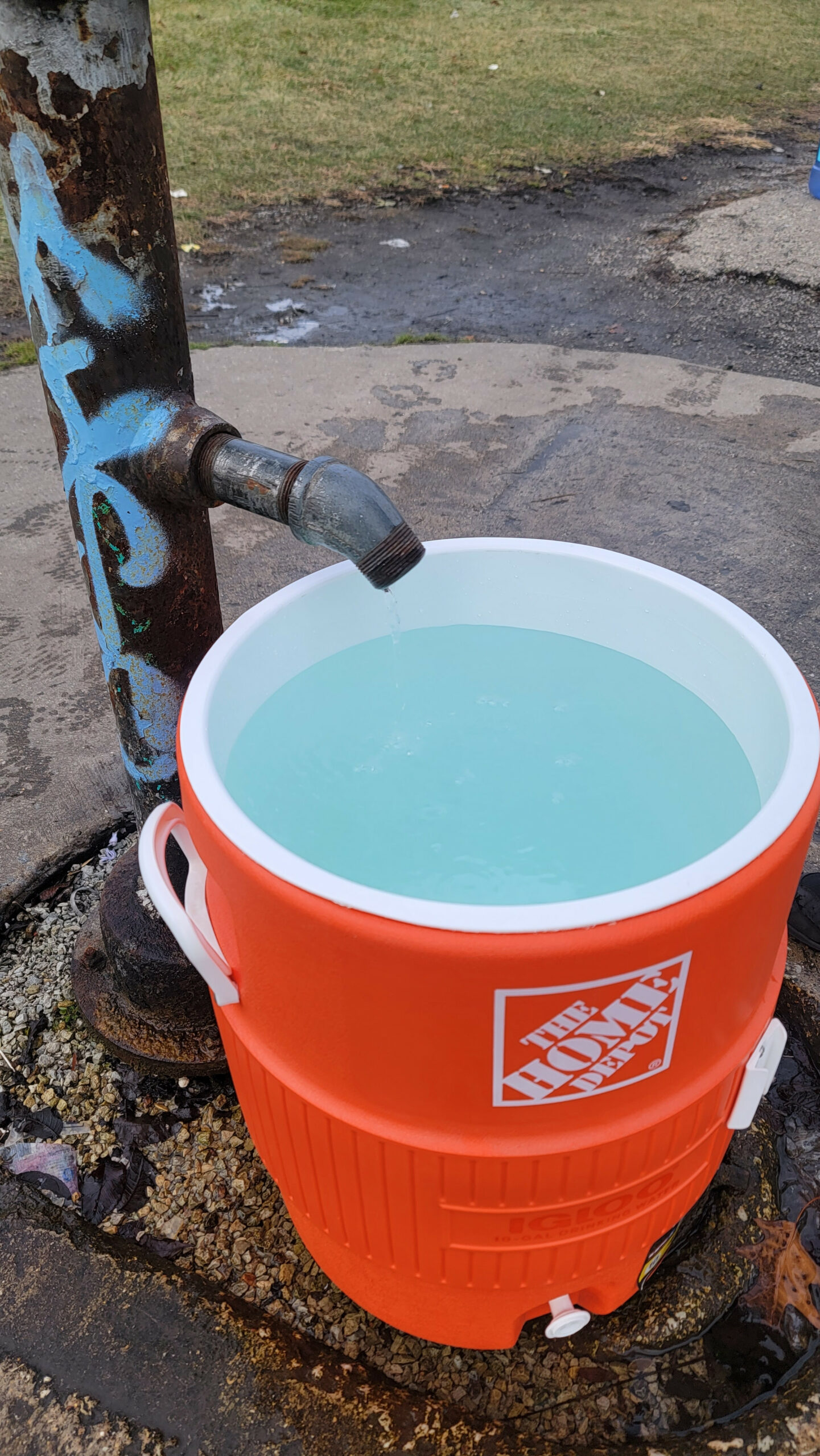
 Vladimir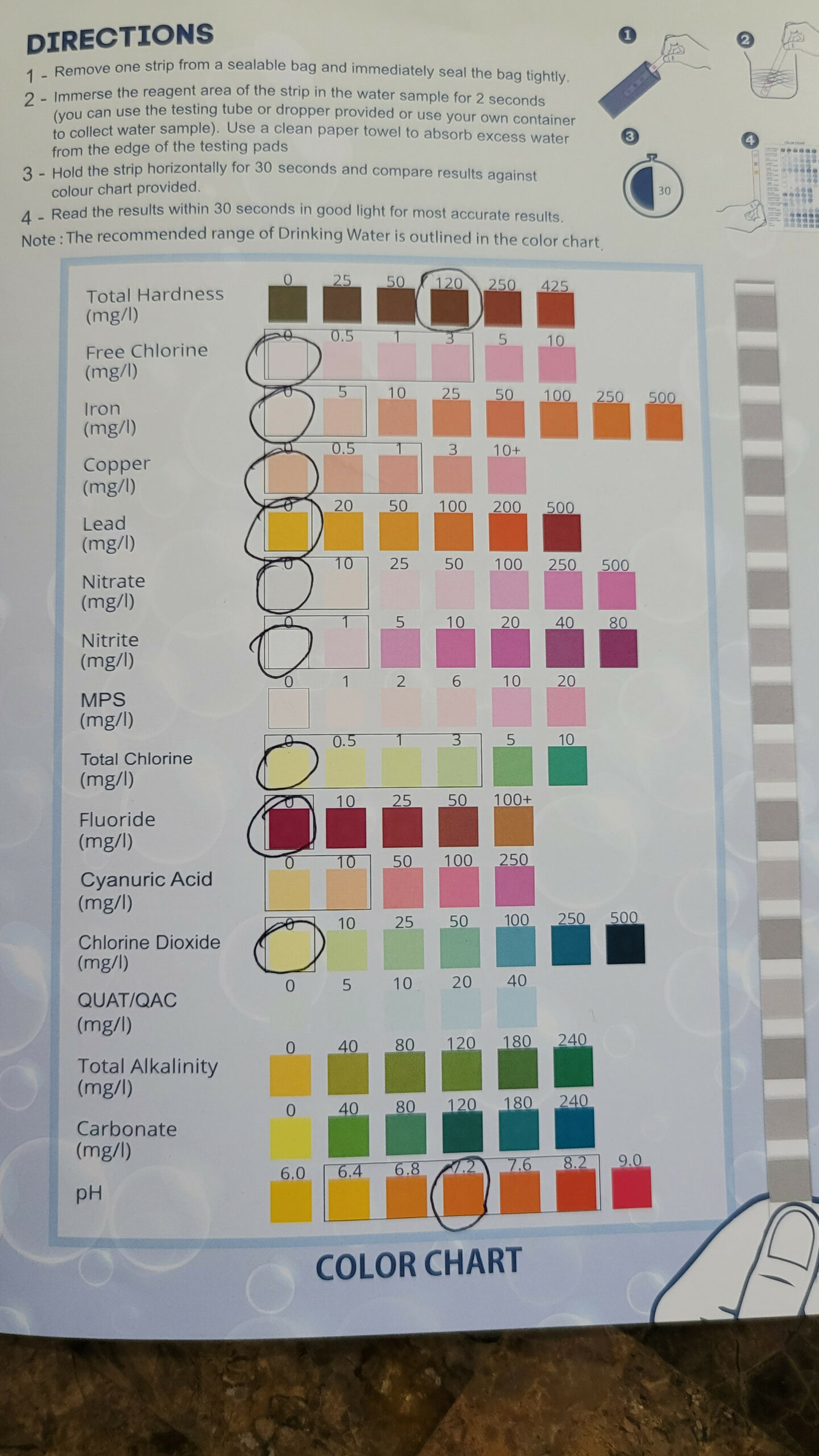

Hello
Today is January 24, 2014. I went to get some water from the well today with no luck. There was no water coming out of the pump. I guess the water froze because the cold temperatures we have had. Has this happened before? Do you know what would be the temperature to get water again?
Thanks
Hey, i am planning on going to this well today or tomorrow to get some water. Can anyone confirm that it is operational. Today’s date Thursday August 29, 2013
Thanks, JJ
Talk with people at the pump, hear their stories, then do your research & you will find out its called the silurian-devonian aquifer. It is essentially sourced under/around lake superior. All the wells for it in Illinois are deep beneath the bedrock. There were & would still be springs if the area wasn’t so developed. You can still find real springs, yes springs plural, around the Waterfall Glen spring where most of the springs are located on a dragonfly preserve, different aquifer though.
If you get a chance, listen to Daniel Vitalis talk about Artesian wells. He equates them similar to unripe fruit as you are pulling the water out of the ground a bit early opposed to it flowing out naturally. That is why the TDS & mineral content can be a little high. Thanx again D.V.!
Oh, the paleo-water is fantastic btw!
This is an Artesian Well. Not a spring. People have been coming to this well
since I was a child and I am in my mid-50’s. The Italians in the neighborhood would come here to get water to make wine. I know folks who, for the most part won’t drink anything but this water and will come to the well at least once a week and stockpile the water.
This explains how Artesian Wells work.
https://ga.water.usgs.gov/edu/gwartesian.html
and, this explains Springs
https://en.wikipedia.org/wiki/Spring_(hydrology)
And, I hate to be “nit-picky” but Nathan, if you are going to correct people, whether on content, accuracy or semantics, it is imperative that you are 100% correct in your entire post. You used the word “infers” ; ” spring water infers [sic] that it originated from a spring”
1) I believe you meant to say “Spring water IMPLIES”. In my explanation, I IMPLIED you were incorrect. From my explanation, you INFERRED that you were incorrect. Please, do look it up. Additionally, spring water need not flow down a mountain collecting all sorts of contaminants along it’s way. In actuality, a spring is underground, much like a well. Often, when one things of a spring, it is similar to a “babbling brook”. Generally, a spring is often times, free flowing, while a well is generally pumped.
There are dozens of other errors in your post, but it is not my intent to “grade your work” only to suggest that you may want to make sure YOU are 100% correct is anything you write when pointing out that someone else is wrong.
That is all.
hi guys! today is march 4th and I went to this location and the handle is back! enjoy your spring water :):)
You mean well water? Why does everyone think this is a spring? It’s not spring water!
well the only difference is that spring water flows continually without the use of a pump right? but still has the same beneficial properties I would assume since it has not been exposed to the environment
On principle alone I must respond to this, spring water infers that it originated from a spring—i.e. Mountains flowing downward, filtered through sediments and other naturally occuring processes which add algaes, flora, and other various balanced systems of life. Well water, well comes from within the Earth, tracing its source back to above ground bringing with it all the wonderful pesticides inherent in our capitalistic pesticide and chemical based society. I have personally gotten sick after drinking well water(E.R. multiple times, liver damage, had to go Veggie/Vegan for 3 months..), most proportedly from the toxins from Bacillus thuringiensis modified corn,
which soak through the ground from chaff and leftovers of the corn product left in the fields to help with soil erosion used to prevent infestations of insects. Please research properly where you are getting your water from, considering that the last “spring” I checked out on here was beneath an active cemetery which has people who died from cholera there and the water has been deemed unsafe decades ago and has ever since and will be dangerous into perpetuity. Just saying there are worse things than chlorine and fluoride in so called “spring” sources, this used of the word is a misnomer. Its ok, Ice Mountain isn’t Spring based either, its actually just lake Michigan water handed out to the midwest region, is it actually safer—well it got a D rating, considering the best bottled water gets a B and most get a F who knows…
IS THIS PUMP WORKING AGAIN?? I DROVE THERE 3 TIMES AND THE HANDLE WAS STILL GONE??? TODAY IS 2/27/12 CAN SOMEONE PLEASE UPDATE US.
https://www.godlikeproductions.com/forum1/message1788766/pg1
All this talk of fluoride, I thought I’d provide a good read. This pump is 3 miles from my home and I’ve driven by it a hundred times. After reading this forum, I will be gettin g my water from this source from now on…cheers
is the pump working yet anyone know??? today is 2/16/12 any updates
There is other pumps in the forest, but the water taste is off. Maybe its cause its not pumped as much as the other one is.
Spoke to maintenance at Indian Boundary (Cook County) today. The pumps are only shut down if handle is gone due to contamination or dried up. This pump has a tag for testing so it should be up within a week!
Has anyone done any tests on this water as of late? It is currently 12/16/2011, and the website isnt showing the dates of anyones posts on my screen for some reason. I live about an hour away from this particular well, and I read some people saying it has been tasting odd as of late, and wanted to verify if that is still the case or not.
I went tonight to get some water and the pump handle was taking off and red tagged for treatment????? I guess there’s a problem with the water or some corporation is buying it. You know its the the blue gold… Oh well I guess no more pumping for us at this site for while…. SO MUCH FOR FREEDOM
I wish I didn’t live so far away. I’m way down here in Hillsboro. 🙁
Good that I found this site. I can easily test this water for any bacterial contamination. Will post the results soon.
The water is already tested by the state for bacterial contamination. There is absolutely no bacterial contamination of this well. Hundreds of people drink the water, and have been for decades. I called the County a couple weeks ago and they informed me that it is tested for nitrates and bacteria.
It would be reassuring to know the chemical concentrations in the water – airport and Industrial runoff, golf course and lawn chemicals, etc. It’s great having a fluoride and chlorine-free water source, and it would be good to know how the water compares to city water for the same chemicals city water is tested for.
On the other hand, plain common sense makes it hard to imagine it could be worse for toxic chemicals than surface water is.
have you tested this water yet?? What were the results??
Question for you guys: I live in the Western ‘Burbs. Schiller Park is not too far from my house! But what about other Cook County forest preserve pumps? Is well water automatically spring water?
I’ve seen many other manual pumps along the line of the Forest Preserve but never any folks actually using them. As a matter of fact I check out some of them myself and it seemed as if they were sparsely used.
One explanation could be that they are not easily accessible, so folks do not frequent them. Another explanation is that they are not as good as the one listed here. There’s no evidence to prove any of that. Until all of them are tested officially we can’t say which one should be used.
It’s a misnomer calling this a spring. Both spring and well water originate underground. The difference is that springs emerge from the ground naturally, while wells require a pump to bring the water to the surface. So this is actually well water, just like the water coming from other Forest Preserve pumps. As Primal says, unless the water is tested it’s hard to say much about its quality or how it compares to water from other Forest preserve pumps.
the water tastes yucky!
Are there any updates on the broken handle to the water pump ?
I went to get this water last night, and the handle for the pump had been removed! So I couldn’t get water. Does anyone know what happened? Or who to call to get it fixed?
I went yesterday, too, and saw that it was broken. Do you know if this is in a state park? I thought about calling the Chicago park district, but I don’t think they maintain this park.
I was devastated I couldn’t get my clean water this weekend. I am going to call the
Chevalier Woods (Cook County Forest Preserve) telephone number
(773) 625-9630 in the morning to see if they can fix it or why it was taken down.
Any updates on the broken handle ?
Any updates on the broken handle ?
New to the area and have been getting water from this location and loving it. We noticed a similar pump just south of Devon at intersection with River Rd(slightly closer to home). Is anyone familiar with this source?
No, why don’t ya go there and add it to the database!
There are many similar pumps anywhere, but I guess, the water is not potable in all of them. I think the water should be tested first and meet all the requirements to be registered as drinkable. I would not try any water is not registered. Event it is registered, you have the responsibility to test it to give it to your family.
I collected water from this location on 03 March 2011. My PH papers read 7.0-7.2, and my TDS meter read 490-500. The nearest spring to this location is about an hour away in Kenosha, and the TDS there is better.. 350.
what was the ph in kenosha?
It is Schiller Park, not Shiller. The water tastes odd.
What do you mean by odd, I am interested in this source. Is it eggy? Like sulfur? metallic,
scummy?
yes, odd like how? It said the water was “hard” so using a water softener might be best..
my question is if there is fluoride or not in the water…
Ok here is my take on it. I have consumed two gallons of this so far, there is a slight hard water iron, eggy (sulphury) taste to it. But the key word is “slight”. I spent my summer youth on a farm in northern, WI and our water tasted the just like this. It tastes much better than Chicago Tap. I spoke with someone I met there yesterday and he told me there are other hand pumps across the road that you can drive up to when this one was too crowded. Just have to enter the park. I found one of them right away. Plenty of parking on other side also.
I think this water tastes really good. If you crave water from the spring then it is usually of good quality. Water that is hard is not necessarily a bad thing.
I tested the water with a test kit I bought. The water is excellent. It meets all the purity required for a drinking water but one: it is too hard. The # of hardiness should be 50 ppm. This water is 425ppm
Thanks for posting. That is crazy.
me and my family have been taking water from there on regular basis and we love it. it doesn’t taste eggy or weird …well i guess if you’re use to drinking bottled water then the good stuff will taste “odd”-lol
I agree, I used to like it about two months ago, but last outing tasted like Sulfur, and almost 500 TDS reading, my gut tells me to stay away…